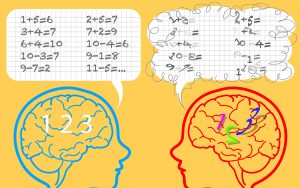
Dyslexia is a language-based learning disability, yet it is often misunderstood. It is not an indication of a child’s intelligence or a result of laziness, but rather a neurological condition that makes reading and processing written language more challenging. Understanding dyslexia and providing the right support can make a huge difference in a child’s academic journey and overall self-esteem.
What is Dyslexia?
Dyslexia is a specific learning disability that affects reading, spelling, and writing. It is neurobiological, meaning it is linked to the way the brain processes language. People with dyslexia often have difficulty decoding words (i.e., translating letters into sounds) and recognizing words by sight, which can hinder their ability to read fluently and comprehend text (Shaywitz, 2003).
Common Signs of Dyslexia
The signs of dyslexia can vary from person to person, but some common symptoms include:
- Difficulty with reading:
- Slow reading speed, especially when trying to read aloud.
- Problems recognizing common words (sight words), especially words that don’t follow regular spelling rules.
- Frequent reversals of letters or numbers (like confusing “b” and “d,” or “6” and “9”).
- Spelling and writing challenges:
- Trouble with spelling words correctly, even simple ones.
- Writing words or letters in reverse or jumbling letters in a word.
- Difficulty organizing written thoughts in a coherent way.
- Pronunciation problems:
- Struggling to pronounce words correctly, especially new or unfamiliar ones.
- Slower speech development compared to peers.
- Memory and concentration issues:
- Difficulty remembering sequences, such as the order of letters in a word or numbers in a phone number.
- Trouble following verbal instructions or remembering information after hearing it.
- Difficulty with phonemic awareness:
- Phonemic awareness refers to the ability to hear, identify, and manipulate sounds in spoken words. Children with dyslexia often struggle with recognizing the sounds in words, making it harder to decode new words when reading (Lyon, Shaywitz, & Shaywitz, 2003).
It’s important to note that dyslexia can affect individuals in varying degrees. Some may have mild challenges, while others may experience more significant difficulties. However, dyslexia is not linked to intelligence; in fact, many people with dyslexia are highly creative and capable in other areas of life (Shaywitz, 2003).
The Causes of Dyslexia
While the exact cause of dyslexia isn’t fully understood, research shows that it is often hereditary. If a parent or sibling has dyslexia, there’s a higher chance that a child will also have it. Additionally, studies suggest that dyslexia is linked to differences in the areas of the brain responsible for reading and language processing (Shaywitz et al., 2002).
Certain factors may also increase the risk of developing dyslexia, including:
- Genetics: A family history of dyslexia or other learning disabilities increases the likelihood of a child being affected (Shaywitz et al., 2002).
- Premature birth or low birth weight: Children born prematurely or with low birth weights may have a higher chance of developing learning challenges, including dyslexia (Scribano et al., 2018).
- Environmental factors: Exposure to lead or other environmental toxins in early childhood could impact brain development and contribute to learning difficulties (Bellinger, 2013).
The Impact of Dyslexia
Dyslexia affects much more than just a child’s ability to read. The challenges it brings can impact many aspects of a child’s life:
- Academic struggles: Reading is a core skill used in nearly every subject at school. Children with dyslexia may find it difficult to keep up with their peers academically, leading to frustration and potentially lower self-esteem (Snowling, 2019).
- Emotional consequences: Constant struggles with reading and writing can lead to feelings of inadequacy, anxiety, and frustration. Over time, this may result in poor self-confidence and a lack of motivation in school (Shaywitz, 2003).
- Social challenges: Children with dyslexia may feel isolated, especially if they have trouble expressing themselves or keeping up with their peers in reading-based activities. They might avoid reading aloud in class or be embarrassed when asked to write (Lyon, Shaywitz, & Shaywitz, 2003).
- Long-term effects: If not properly addressed, dyslexia can have lasting effects on a child’s future academic and professional life. Without intervention, children may develop negative attitudes toward school or reading and may struggle to succeed in later grades or adult life (Snowling, 2019).
Diagnosing Dyslexia
Dyslexia is often diagnosed during early elementary school, though some children may not be diagnosed until later. If a parent or teacher notices signs of dyslexia—especially if a child is struggling to read, write, or spell despite receiving appropriate instruction—it’s important to seek an evaluation from a specialist, such as a psychologist or educational therapist (International Dyslexia Association, 2021).
A comprehensive assessment typically includes:
- Observation of reading and writing behavior.
- Testing for cognitive and language skills to determine specific difficulties.
- Screening for other conditions that could be affecting learning, such as hearing or vision problems.
Early diagnosis is key to getting the right support in place, as children who receive early intervention have better outcomes in terms of academic success and emotional well-being (Lyon, Shaywitz, & Shaywitz, 2003).
Strategies and Support for Children with Dyslexia
While dyslexia cannot be “cured,” with the right support, children can learn to manage the challenges it brings and succeed in school and beyond. Here are some common strategies for helping children with dyslexia:
- Structured Literacy Programs: Programs like Orton-Gillingham, Wilson Reading System, or Barton Reading & Spelling System are evidence-based methods specifically designed to help children with dyslexia improve their reading and spelling. These programs focus on phonics, decoding, and the structure of language (Snowling, 2019).
- Assistive Technology: Tools like text-to-speech software, audiobooks, and voice-to-text apps can help children with dyslexia access written material more easily. These technologies help them to hear the words rather than struggle to decode them on their own (Shaywitz, 2003).
- Extra Time and Support in School: Children with dyslexia can benefit from accommodations like extra time on tests, modified assignments, or access to a reading specialist. Many schools have special education programs or individualized education plans (IEPs) that can be tailored to meet the child’s needs (International Dyslexia Association, 2021).
- Parental Support and Encouragement: Parents can help by creating a supportive home environment that focuses on the child’s strengths. Encourage reading in fun, low-pressure ways, such as reading aloud together, or listening to books instead of focusing on the act of reading itself (Snowling, 2019).
- Positive Reinforcement: Celebrate the child’s achievements, no matter how small. Encouragement can go a long way in boosting self-confidence and motivation. Help the child understand that dyslexia is just one part of who they are—not the sum of their abilities (Shaywitz, 2003).
- Therapy and Counseling: If dyslexia is causing significant emotional or behavioral issues, therapy can be beneficial. A therapist can help children develop coping skills and manage feelings of frustration or inadequacy (Lyon, Shaywitz, & Shaywitz, 2003).
Dyslexia is a lifelong condition, but it does not define a person’s potential. Many individuals with dyslexia go on to excel in various fields, from the arts to business and technology. With early intervention, appropriate accommodations, and ongoing support, children with dyslexia can develop effective strategies to manage their challenges and thrive.
If you suspect that your child may have dyslexia, remember that you’re not alone. Reach out to professionals for guidance and know that with the right support, dyslexia does not have to hold your child back. Embrace their unique abilities and help them see that learning differences are simply part of what makes them wonderfully unique.