Attention-Deficit/Hyperactivity Disorder (ADHD) and Oppositional Defiant Disorder (ODD) are both common neurodevelopmental disorders, particularly in children. While each has distinct symptoms, they often overlap, with a comorbidity rate of about 60%. This means many children diagnosed with ADHD also struggle with ODD. This overlap can make diagnosis, treatment, and daily life more challenging for both children and parents. Understanding the connection between ADHD and ODD is crucial for providing effective support and intervention.
What is ADHD?
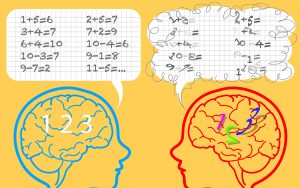
ADHD is a disorder that affects a child’s ability to regulate attention, behavior, and impulse control. It is characterized by three primary types of symptoms:
- Inattention: Difficulty staying focused, following through on tasks, and remembering instructions.
- Hyperactivity: Restlessness, fidgeting, and difficulty staying seated or calm in situations that require it.
- Impulsivity: Acting without thinking, interrupting others, or making hasty decisions without considering the consequences.
Children with ADHD may struggle academically, socially, and emotionally due to these behaviors, often feeling frustrated or misunderstood (American Psychiatric Association, 2013).
What is ODD?
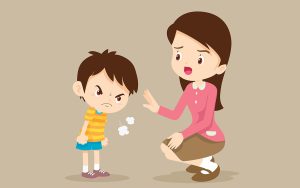
Oppositional Defiant Disorder (ODD) is a behavioral disorder marked by a pattern of angry, defiant, and argumentative behaviors. Common signs of ODD include:
- Frequent temper tantrums: Episodes of extreme frustration or anger, often disproportionate to the situation.
- Arguing with adults: Challenging authority figures, refusing to comply with rules or instructions.
- Blaming others: Deflecting responsibility for their own actions, often blaming others for their mistakes or problems.
- Deliberate annoyance: Purposefully annoying others, often without regard for the consequences.
ODD often emerges in early childhood and can cause significant challenges in social, academic, and family settings (American Psychiatric Association, 2013).
The Link Between ADHD and ODD
While ADHD and ODD are separate diagnoses, they often occur together. In fact, research suggests that about 30% to 50% of children with ADHD also have ODD (Biederman et al., 2005). This overlap can be difficult to manage, both for the child and their caregivers.
Shared Symptoms
Both ADHD and ODD involve difficulty with self-regulation, but in different ways:
- Children with ADHD may be impulsive and act without thinking, which can be misinterpreted as defiance.
- Children with ODD exhibit more intentional opposition and defiance toward authority figures, such as parents or teachers, which can seem like a direct challenge.
Additionally, children with ADHD may struggle with emotions such as frustration, which can lead to outbursts, and this may look like the anger and irritability associated with ODD (Barkley, 2006).
Behavioral and Emotional Impact
The combination of ADHD and ODD can increase the severity of both disorders. For instance:
- Increased frustration: Children with ADHD often struggle to complete tasks or follow instructions, which can make them more likely to engage in oppositional behaviors when asked to do something they find difficult or frustrating (Mikami et al., 2010).
- Family strain: The disruptive behaviors associated with ODD can create tension in the home, while ADHD-related inattention or hyperactivity may lead to misunderstandings or conflicts with parents and siblings (Chronis et al., 2007).
- Social difficulties: Children with both disorders may have a harder time building and maintaining friendships due to impulsivity, argumentative behavior, or acting out (Hoza et al., 2005).
Diagnosis and Treatment
Diagnosis
Diagnosing ADHD and ODD can be tricky, as the symptoms can overlap. Healthcare professionals typically use a combination of parent and teacher reports, behavioral observations, and psychological assessments to differentiate between the two disorders (American Psychiatric Association, 2013). An important consideration is that ADHD symptoms, particularly impulsivity and inattention, may contribute to the development of ODD behaviors. For example, a child with ADHD may become frustrated with tasks or rules, which could lead them to challenge authority or act out (Mikami et al., 2010).
Treatment Options
While ADHD and ODD are distinct disorders, treatment often involves a comprehensive approach that addresses both:
- Behavioral Therapy:
- Behavioral therapy is one of the most effective treatments for children with ADHD and ODD. It focuses on teaching children strategies to manage their behavior and develop positive coping mechanisms (Barkley, 2006).
- Cognitive-behavioral therapy (CBT) can help children with ODD learn how to identify and control negative thoughts and actions (Weisz et al., 2006).
- Parent Training:
- Parents can benefit from training in managing disruptive behaviors. Consistency and positive reinforcement play a big role in helping children with ADHD and ODD succeed (Chronis et al., 2007).
- Techniques like time-outs, reward systems, and clear expectations can help guide behavior (Barkley, 2006).
- Medication:
- For ADHD, stimulant medications such as methylphenidate (e.g., Ritalin) or amphetamines (e.g., Adderall) are often prescribed to improve focus and reduce impulsivity (American Academy of Pediatrics, 2011).
- Non-stimulant medications like atomoxetine (Strattera) may also be used (Faraone & Biederman, 2002).
- While medications for ODD are not typically prescribed, if the child’s ADHD symptoms are severe, medication can help improve overall functioning, which may reduce some oppositional behaviors (Mikami et al., 2010).
- Social Skills Training:
- Children with ADHD and ODD often benefit from social skills training, where they can learn how to interact appropriately with peers, handle frustration, and communicate more effectively (Hoza et al., 2005).
- School Support:
- In the classroom, accommodations such as extra time for assignments, a quiet workspace, or the use of fidget tools can help children with ADHD (American Academy of Pediatrics, 2011).
- Behavioral interventions at school, like rewards for following rules or completing tasks, can also help manage symptoms (Mikami et al., 2010).
Tips for Parents and Caregivers
- Stay consistent: Set clear rules and consequences for behavior, and be consistent in enforcing them.
- Be patient: Children with ADHD and ODD may need extra time to process instructions or calm down. Practice patience and avoid reacting impulsively to their behavior.
- Reinforce positive behaviors: Offer praise and rewards for positive actions, such as following directions or staying calm during challenging situations.
- Create a structured environment: A consistent routine can help children with both ADHD and ODD feel more secure and reduce anxiety (Barkley, 2006).
Conclusion
ADHD and ODD are both challenging disorders, but understanding how they can overlap and affect a child’s behavior is the first step toward helping them thrive. By providing consistent support, implementing behavior management strategies, and collaborating with healthcare professionals, parents and caregivers can help children navigate the complexities of ADHD and ODD, leading to improved outcomes in academic, social, and emotional development.
References
-
American Academy of Pediatrics. (2011). Clinical practice guideline: Diagnosis and evaluation of the child with attention-deficit/hyperactivity disorder. Pediatrics, 128(5), 1007-1022.
-
American Psychiatric Association. (2013). Diagnostic and statistical manual of mental disorders (5th ed.). Arlington, VA: American Psychiatric Publishing.
-
Barkley, R. A. (2006). Attention-deficit hyperactivity disorder: A handbook for diagnosis and treatment (3rd ed.). New York, NY: The Guilford Press.
-
Biederman, J., Faraone, S. V., Monuteaux, M. C., & Garcia, J. (2005). Attention-deficit hyperactivity disorder and oppositional defiant disorder: Longitudinal course and adolescent outcomes. Journal of the American Academy of Child and Adolescent Psychiatry, 44(3), 246-254.
-
Chronis, A. M., Jones, H. A., & Raggi, V. L. (2007). Evidence-based psychosocial treatments for children and adolescents with attention-deficit/hyperactivity disorder. Clinical Child and Family Psychology Review, 10(4), 101-116.
-
Faraone, S. V., & Biederman, J. (2002). The neurobiology of attention-deficit hyperactivity disorder. Biological Psychiatry, 51(1), 4-12.
-
Hoza, B., Waschbusch, D. A., & Pelham, W. E. (2005). Attention-deficit hyperactivity disorder and peer relationships: A review of the literature. Journal of Abnormal Child Psychology, 33(5), 533-543.
-
Mikami, A. Y., Hinshaw, S. P., & Arnold, L. E. (2010). Social skills and peer relationships in children with ADHD. In M. H. H. A. M. P. (Ed.), Handbook of Attention Deficit Hyperactivity Disorder (pp. 115-136). John Wiley & Sons.
-
Weisz, J. R., Kuppens, S. K., & Chang, W. (2006). Cognitive-behavioral therapy for children and adolescents: A review of the evidence. Psychological Bulletin, 132(3), 412-425.